 Defending Zimbabwe’s Constitution Is a Personal Duty
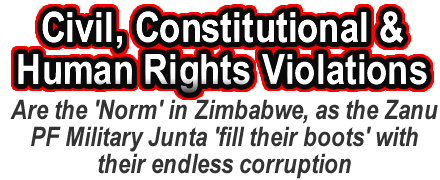
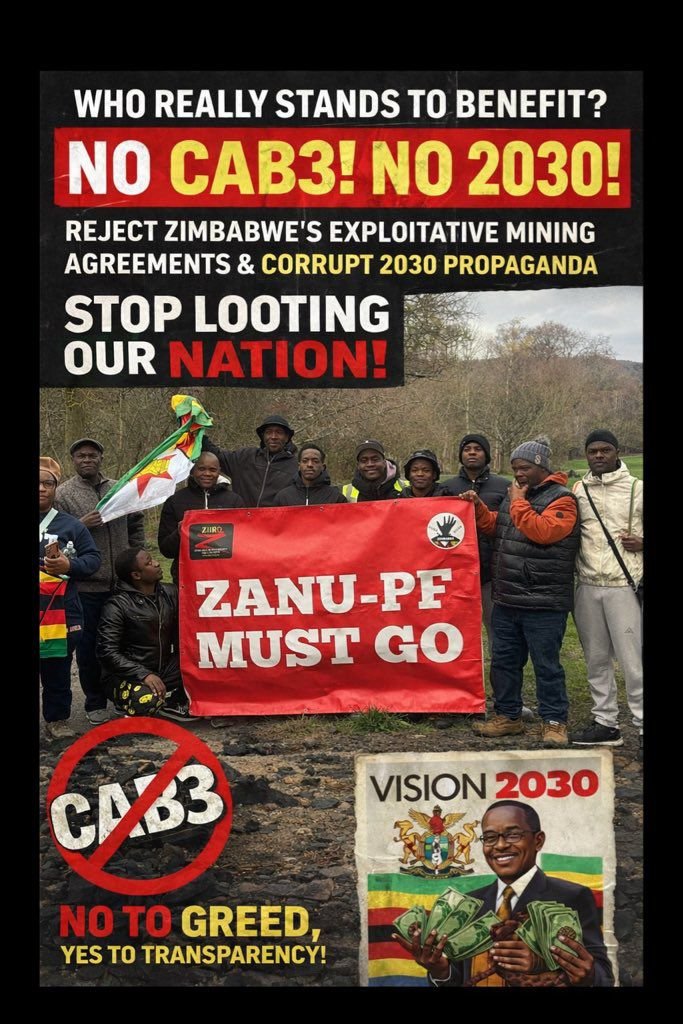
Defending Zimbabwe’s Constitution is not an abstract legal debate for me, it is a deeply personal obligation shaped by lived experience and the growing dangers faced by those who speak out. The Constitution, adopted in 2013 after extensive public consultation, was meant to protect citizens from the abuse of power, guarantee democratic renewal, and place clear limits on political authority. Today, those protections are under serious threat. The push commonly referred to as “Agenda 2030”, which seeks to extend the current president’s tenure beyond constitutionally prescribed limits, represents one of the most significant challenges to Zimbabwe’s democratic framework since independence. This agenda is not merely about development timelines or continuity; it is about weakening constitutional safeguards designed to prevent indefinite rule.
Zimbabwe’s Constitution is clear. The presidency is limited to two five-year terms. This provision was deliberately crafted to ensure accountability and peaceful transfers of power. Any attempt to extend a sitting president’s stay in office — whether by delaying elections, redefining term lengths, or manipulating amendment procedures — undermines both the letter and the spirit of the Constitution. As a citizen who has followed these debates closely, I am persuaded by constitutional lawyers and civic scholars who argue that changes affecting presidential tenure require broad public consent through a national referendum. Parliament alone cannot legitimately rewrite the people’s social contract to benefit those already in power. The Constitution belongs to Zimbabweans, not to a ruling elite.
Opposition to Agenda 2030 has not been met with open dialogue or respect for democratic dissent. Instead, it has coincided with an increasingly hostile environment for civic engagement. The arrest of Madzibaba Veshanduko is emblematic of this trend. His detention was widely viewed as punitive rather than lawful — a warning to those who mobilise citizens in defence of constitutionalism. For writers, activists, and ordinary citizens alike, such arrests send a chilling message: that demanding constitutional accountability carries personal risk. As someone who understands these risks firsthand, I find it impossible to separate this political moment from the broader culture of intimidation that continues to shrink Zimbabwe’s democratic space.
That sense of fear was deepened by the death of Archieford Mtizwa Mudzengi, a respected political activist from Mutare. Mudzengi, a long-time opposition organiser, died after a sudden illness under circumstances that many colleagues and fellow activists suspect involved poisoning. While no transparent official investigation has been made public, the absence of answers has only intensified anxiety among civic actors. Mudzengi’s death is not just a personal tragedy; it is a sobering reminder of the dangers faced by citizens who challenge entrenched power. In a country where past abuses remain unresolved, unexplained deaths of political activists inevitably fuel fear, silence, and self-censorship.
For me, the fight to defend the Constitution is inseparable from defending the right to live without fear — the right to speak, organise, and participate meaningfully in shaping our nation’s future. I have seen how political pressure fractures families, endangers loved ones, and forces many Zimbabweans into exile or silence. These are not theoretical concerns; they are lived realities. The Constitution remains the last line of defence for ordinary citizens — vendors, students, workers, journalists, and activists — who rely on the rule of law for protection. When constitutional limits are weakened, it is not political elites who bear the greatest cost, but ordinary Zimbabweans whose rights become negotiable.
Zimbabwe now stands at a crossroads. We can choose to uphold constitutionalism, accountability, and democratic renewal, or we can allow expediency and power retention to erode the foundations of our republic. History will remember whether we defended the Constitution when it mattered most.
As a Zimbabwean writer and citizen, I believe silence is not an option. Defending the Constitution is not an act of opposition for its own sake — it is an act of patriotism. The future of Zimbabwe depends on our willingness to protect the rule of law, respect human life, and ensure that no individual or party places itself above the supreme law of the land