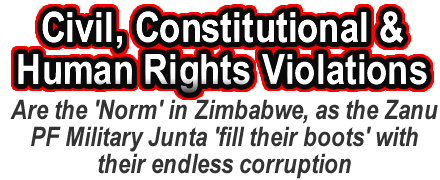
It seems incredible that Zanu PF have clung onto power for 46 years - through Vote Rigging and Manipulation. Via Intimidation, abductions, torture and murder - all well publicised to make sure the voters "get the message"
Zanu PF have done this from the outset, with their philosophy of a "One-Party-State” as espoused by Mugabe soon after Independence. Their mania is kept alive by the endless corruption - which allows Zanu PF to control all the Institution and steal BILLIONs from the Nation - whilst at the same time IMPOVERISHING the population – but making the “elite” within the Politburo – themselves undeserved and un worked for billionaires!
- Details
- Written by: Blessing Masunda - Change Radio
- Category: 46 Years as at 18th April 2026
- Hits: 474
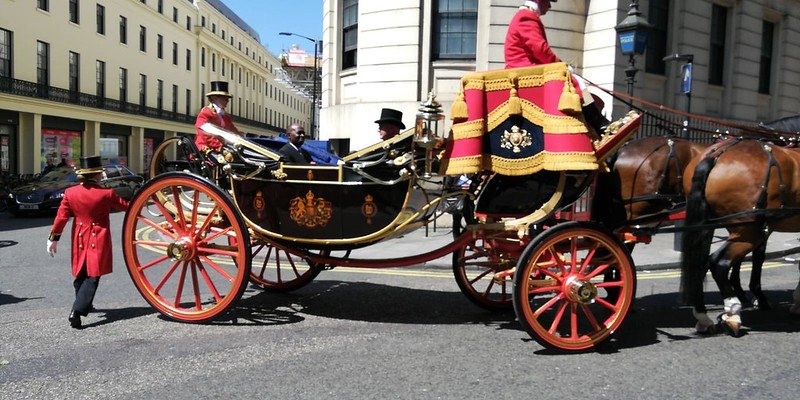 The Price of a Representative—Gifts, Greed, and the Betrayal of the People
Follow Change News WhatsApp Channel ` https://whatsapp.com/channel/0029Vb
Zimbabwe stands at a moral crossroads where the line between public service and private gain has not just been blurred—it has been erased. As the majority of our citizens navigate a daily reality of abject poverty, struggling to secure basic meals and healthcare, a jarring spectacle of opulence is unfolding in the corridors of power.
The recent reports regarding Budiriro North MP Susan Matsunga are not merely disappointing; they are a visceral blow to the stomach of the electorate. The news that a representative of the people allegedly received a luxury vehicle and significant cash from businessman Wicknell Chivhayo raises a question that strikes at the very heart of our democracy: Who do these MPs actually represent?
The Optics of Excess
There is something inherently sickening about a "gift-giving" culture that targets the powerful while the powerless "wallow." When a businessman with deep-rooted connections to the state apparatus begins distributing luxury assets to members of the opposition, we must move past the facade of "philanthropy." In a functioning democracy, an MP’s primary loyalty belongs to the constituents who queued in the sun to cast their ballots. When those same MPs accept high-value "donations" from private individuals, that loyalty is immediately compromised. You cannot serve two masters. You cannot claim to be the voice of the poor while driving a car gifted by the architect of a patronage system that keeps those people poor.
- Details
- Written by: Justin Prince Chihurani and CDF
- Category: 46 Years as at 18th April 2026
- Hits: 712
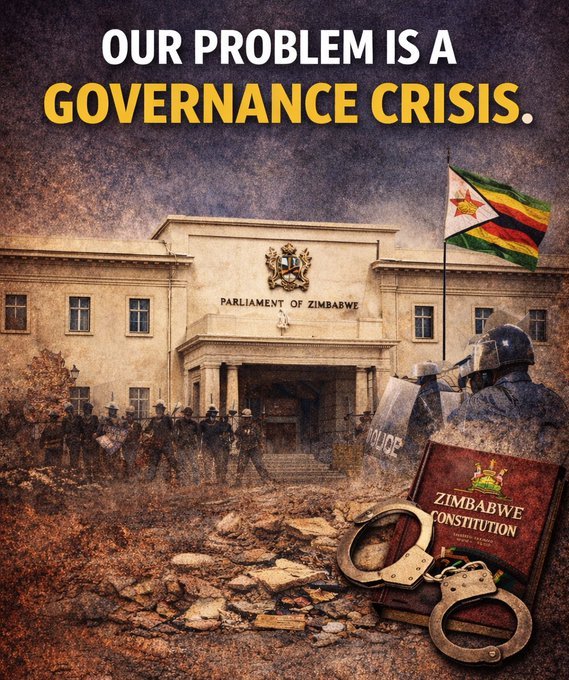 Zimbabwean Politics - Vision 2030 & Human Rights Violations
Zimbabwe’s political situation remains complex and highly debated, especially as the government continues to promote its Vision 2030 plan. Under President Emmerson Mnangagwa and the ruling party ZANU-PF, Vision 2030 aims to transform Zimbabwe into an upper-middle-income country by the year 2030. The plan focuses on economic growth, infrastructure development, and attracting foreign investment. While these goals sound promising, many citizens question whether meaningful development can happen without political reforms and respect for human rights.
In principle, Zimbabwe’s development goals are aligned with the United Nations Sustainable Development Goals, which promote poverty reduction, equality, and improved living standards. However, achieving these goals requires strong institutions, transparency, and accountability. Many Zimbabweans believe that corruption, lack of accountability, and political repression continue to hold the country back.
Human rights remain a major concern. Reports from organizations such as Amnesty International and Human Rights Watch frequently highlight issues including the arrest of opposition members, restrictions on public protests, and intimidation of journalists and activists. In several instances, security forces have been accused of using excessive force against citizens who are expressing dissatisfaction with the government. Such actions create fear and discourage people from freely participating in political life.
Elections have also been controversial. There have been ongoing concerns about fairness, transparency, and the independence of key institutions. When citizens lack confidence in the electoral process, it weakens democracy and undermines trust in national development plans like Vision 2030.
In my view, economic development and human rights cannot be separated. For Zimbabwe to truly achieve its 2030 vision, there must be genuine respect for democratic principles, freedom of expression, and the rule of law. Without addressing these concerns, Vision 2030 risks becoming more of a political slogan than a reality that improves the lives of ordinary Zimbabweans.
See after "READ MORE" - Tweet from CDF who were trying to conduct a meeting regarding the Constitution https://x.com/cdf